
In this blog, we will explore 15 easy and effective ways to lower blood sugar levels naturally. These strategies not only help stabilize glucose levels but also improve overall health and well-being. Whether you’re managing diabetes or simply aiming to maintain optimal blood sugar levels, these practical tips can be integrated into your daily routine. From dietary changes to lifestyle habits, this comprehensive guide will help you take control of your health. Keep reading to discover simple methods that can make a big difference in controlling your blood sugar levels naturally.
Introduction to Blood Sugar Levels
Blood sugar levels refer to the amount of glucose present in your blood at any given time. Glucose, derived from food, is the primary source of energy for the body. However, when sugar levels are too high or too low, it can lead to health issues such as diabetes, fatigue, and weight gain. Managing sugar levels effectively is crucial for preventing these health problems and maintaining overall well-being.
Fortunately, there are many natural ways to lower sugar levels without relying on medication. In this blog, we will go over 15 effective and scientifically-backed methods to help you regulate your sugar levels and improve your health.

1. Eat a Balanced Diet with Whole Grains
One of the most important ways to lower blood sugar levels is by eating a healthy, balanced diet. Opt for foods that are rich in fiber, healthy fats, and lean proteins. Whole grains, such as oats, brown rice, and quinoa, are excellent choices for controlling sugar levels. These foods are digested slowly, which helps prevent blood sugar spikes and crashes.

Why it works: The fiber in whole grains slows down digestion and the absorption of glucose, helping to maintain stable sugar levels throughout the day.
2. Incorporate More Fiber into Your Diet
Fiber is an essential nutrient that can help lower blood sugar levels by slowing the absorption of sugar into the bloodstream. Foods rich in soluble fiber, such as beans, lentils, and vegetables like broccoli and spinach, can significantly improve blood sugar control.

Why it works: Soluble fiber helps to delay the absorption of sugar, which prevents spikes in blood glucose. Additionally, fiber improves insulin sensitivity, helping the body use glucose more effectively.
3. Exercise Regularly
Physical activity is one of the most effective ways to lower blood sugar levels naturally. When you exercise, your muscles use glucose for energy, which helps lower the amount of sugar in your bloodstream. Regular exercise also improves insulin sensitivity, making it easier for the body to regulate blood sugar.

Why it works: Exercise, especially aerobic activities like walking, jogging, or cycling, helps muscles absorb glucose directly from the blood, reducing overall sugar levels.
4. Drink Plenty of Water
Drinking water throughout the day is a simple but powerful way to lower blood sugar levels. Staying hydrated helps the kidneys flush out excess glucose through urine, which prevents high blood sugar.

Why it works: Dehydration can cause sugar levels to rise, so drinking water regularly can help keep blood sugar in check.
5. Control Your Carb Intake
Carbohydrates directly affect blood sugar levels since they are broken down into glucose during digestion. While carbs are an essential part of a healthy diet, it’s important to control your carb intake to avoid spikes in blood sugar. Focus on eating complex carbohydrates like whole grains and vegetables, and limit refined sugars and processed foods.

Why it works: By reducing the number of simple carbs you consume, you can prevent rapid increases in blood sugar and promote more stable levels.
6. Try Apple Cider Vinegar
Apple cider vinegar has been shown to help lower blood sugar levels by improving insulin sensitivity. It can also help slow the digestion of carbohydrates, which can prevent sudden spikes in blood sugar.

Why it works: Studies suggest that apple cider vinegar can lower sugar levels after meals and improve overall glucose metabolism. You can mix one to two tablespoons in a glass of water and drink it before meals.
7. Eat More Healthy Fats
Healthy fats, such as those found in avocados, nuts, seeds, and olive oil, can help regulate blood sugar levels. These fats slow down the absorption of sugar into the bloodstream, preventing sharp increases in blood glucose.

Why it works: Healthy fats support insulin function and help your body maintain stable sugar levels. Unlike simple carbohydrates, they don’t cause blood sugar spikes.
8. Get Enough Sleep
Poor sleep can lead to imbalances in blood sugar regulation, increasing the risk of high blood sugar levels. A good night’s sleep of 7-9 hours helps the body regulate glucose more effectively and can improve insulin sensitivity.

Why it works: Lack of sleep disrupts hormones that control hunger and metabolism, leading to higher sugar levels. Prioritizing sleep helps your body perform these functions optimally.
9. Manage Stress
Chronic stress can contribute to high sugar levels by increasing the production of stress hormones like cortisol. These hormones can interfere with insulin function and cause glucose to build up in the bloodstream.

Why it works: Managing stress through techniques such as meditation, deep breathing, and yoga can help lower sugar levels and improve overall health.
10. Consume More Cinnamon
Cinnamon is a spice that has been shown to help lower sugar levels by improving insulin sensitivity. Adding cinnamon to your diet can be an easy way to regulate blood sugar naturally.

Why it works: Cinnamon contains compounds that mimic the effects of insulin, helping your body process glucose more efficiently. You can sprinkle cinnamon on oatmeal, smoothies, or even in your coffee.
11. Avoid Sugary Drinks
Sugary drinks, including sodas, sweetened teas, and energy drinks, can cause rapid increases in blood sugar levels. These drinks are high in simple sugars that are quickly absorbed into the bloodstream, leading to spikes in glucose.

Why it works: Avoiding sugary drinks helps prevent blood sugar fluctuations and keeps your glucose levels stable. Instead, opt for water, herbal teas, or drinks without added sugar.
12. Try Bitter Melon
Bitter melon is a fruit commonly used in traditional medicine to manage blood sugar levels. It contains compounds that can help the body process glucose more effectively.

Why it works: Bitter melon may help increase insulin sensitivity and reduce the amount of sugar in the bloodstream. You can consume it as a vegetable or in supplement form.
13. Use Turmeric and Ginger
Turmeric and ginger are powerful anti-inflammatory herbs that can help lower blood sugar levels by improving insulin sensitivity and reducing inflammation in the body.

Why it works: Curcumin, the active compound in turmeric, has been shown to help lower sugar levels and improve metabolic function. Ginger also has similar effects on glucose metabolism.
14. Increase Magnesium Intake
Magnesium is a vital mineral that plays a crucial role in blood sugar regulation. Research has shown that people with higher magnesium levels tend to have better control over their blood sugar.

Why it works: Magnesium helps the body utilize insulin more efficiently, reducing the risk of insulin resistance and high blood sugar levels. Foods rich in magnesium include spinach, almonds, and seeds.
Read :- https://dramitranjan.com/
15. Monitor Blood Sugar Levels Regularly
Regularly monitoring your sugar levels allows you to track your progress and make necessary adjustments to your diet and lifestyle. Using a blood glucose meter can help you understand how certain foods or activities affect your blood sugar.
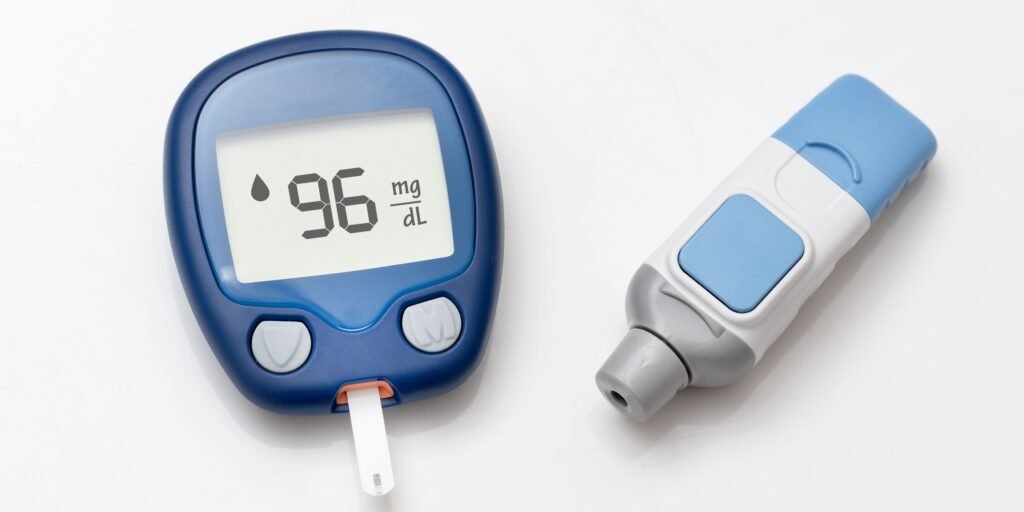
Why it works: Regular monitoring empowers you to take immediate action if your sugar levels become too high or too low, helping you maintain optimal control over your health.
Conclusion
Incorporating these 15 natural methods into your daily routine can help you lower sugar levels and improve overall health. From adopting a balanced diet and regular exercise to incorporating specific foods and herbs, these strategies can be easily integrated into your lifestyle for long-term benefits.
For individuals struggling to manage their sugar levels, it’s important to consult a healthcare professional to develop a personalized plan. For expert guidance and treatment options, contact us today.